

今すぐお問い合わせください
 Search for...
倒立型または直立型マイクロスプレーヤー Manufacturers
倒立型または直立型マイクロスプレーは、さまざまな灌漑ニーズに合わせて設計され、さまざまな農業および園芸環境での使用に適した柔軟なマイクロスプレー灌漑装置です。その独自の設計により、スプリンクラー ヘッドは直立または倒立の 2 つの状態で動作し、さまざまな設置ニーズや灌漑方法に柔軟に適応できます。 逆さまの状態では、マイクロスプリンクラーを土壌表面に近づけることができるため、土壌水分要求量が高い作物や苗床に適しており、水の蒸発損失を効果的に減らすことができます。直立位置では、ノズルはより高い高さで水ミストをスプレーできるため、芝生、花壇、およびより広い面積をカバーする必要があるその他のエリアでの使用に適しています。
倒立型または直立型マイクロスプレーヤー
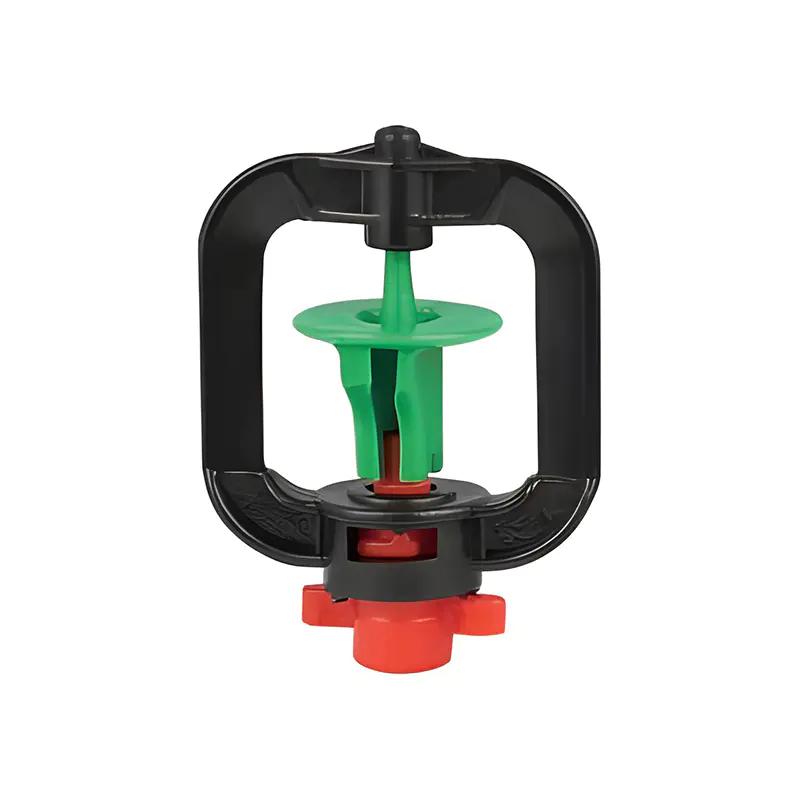

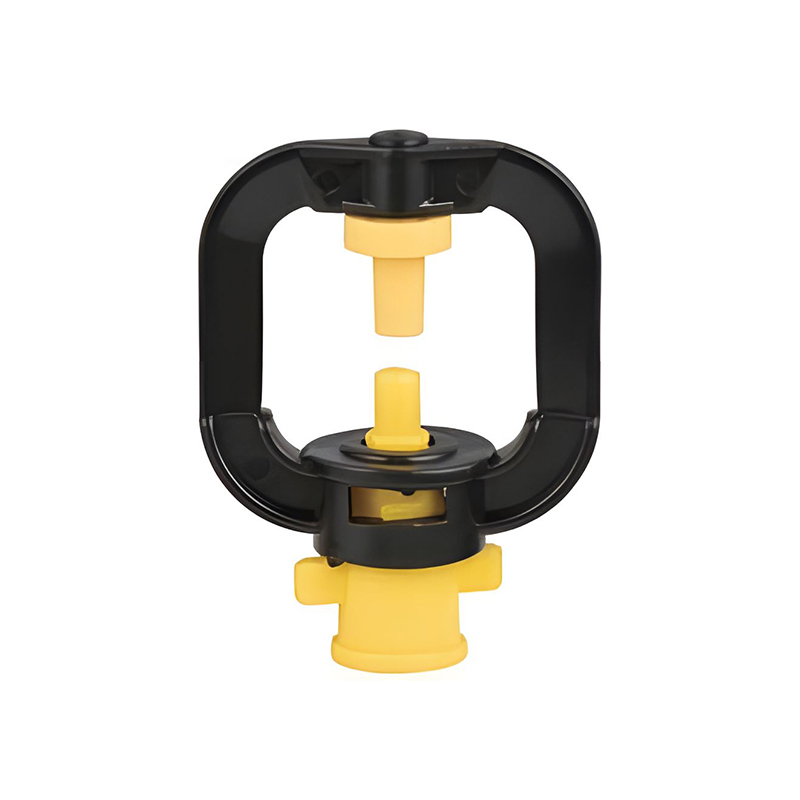
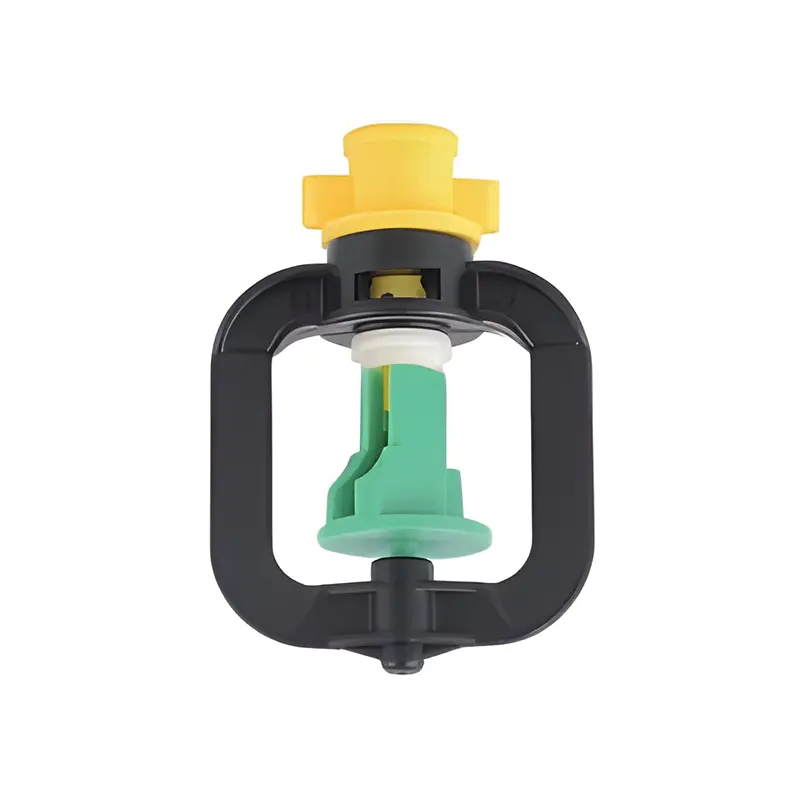
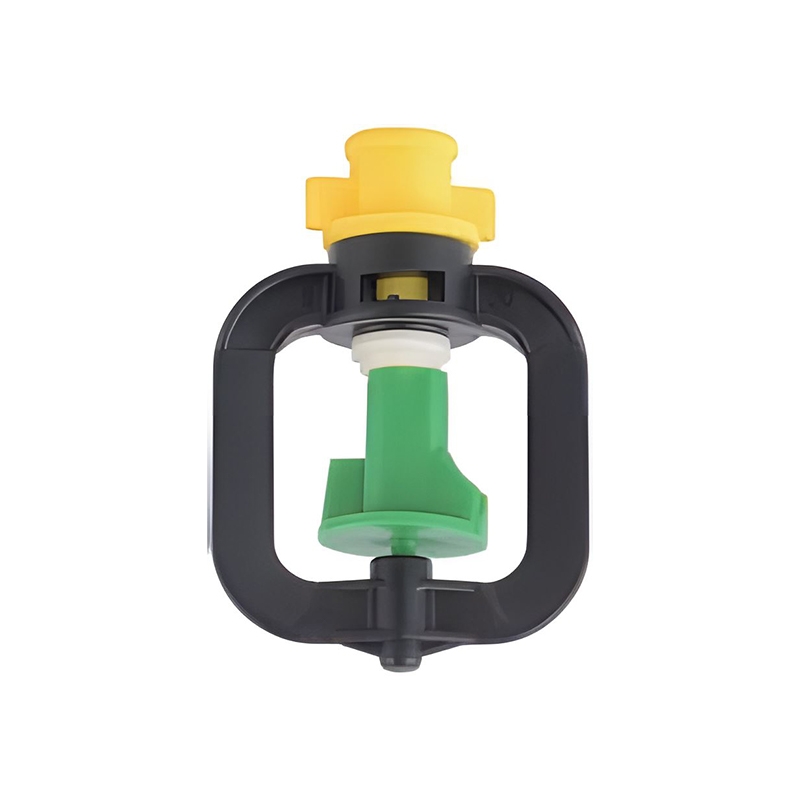
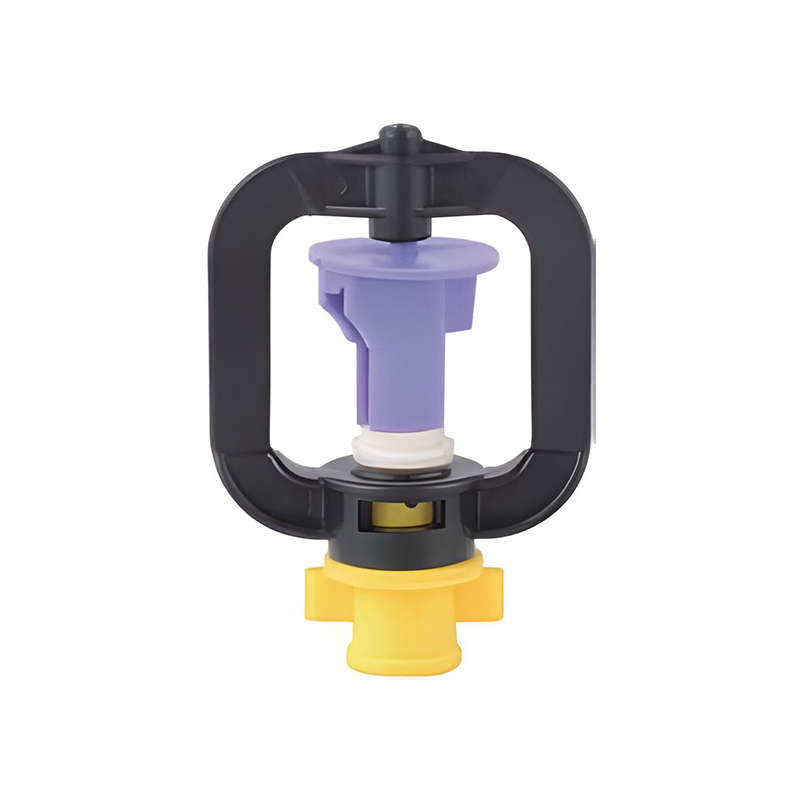
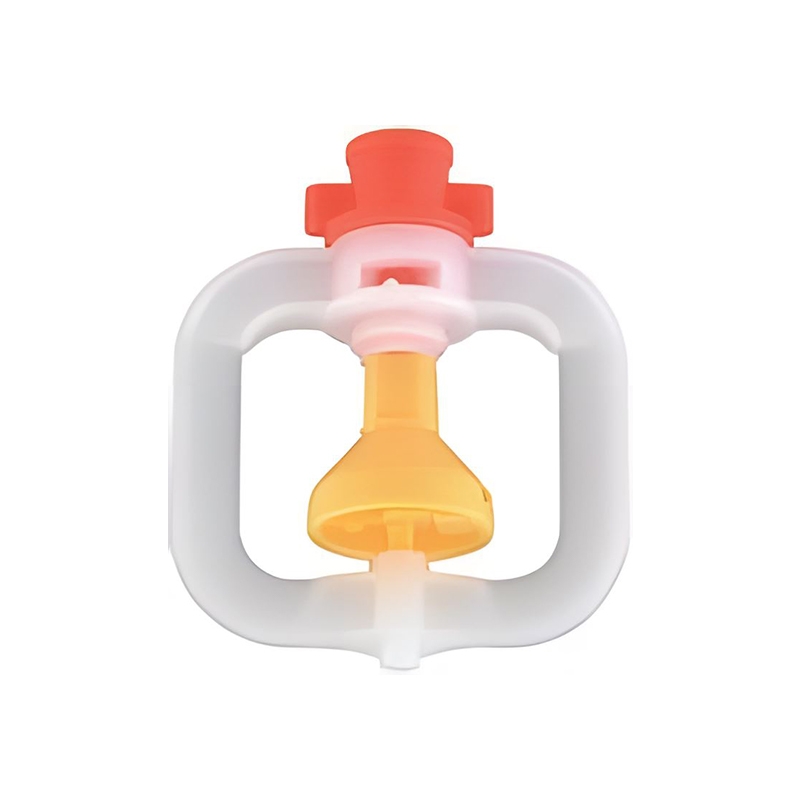
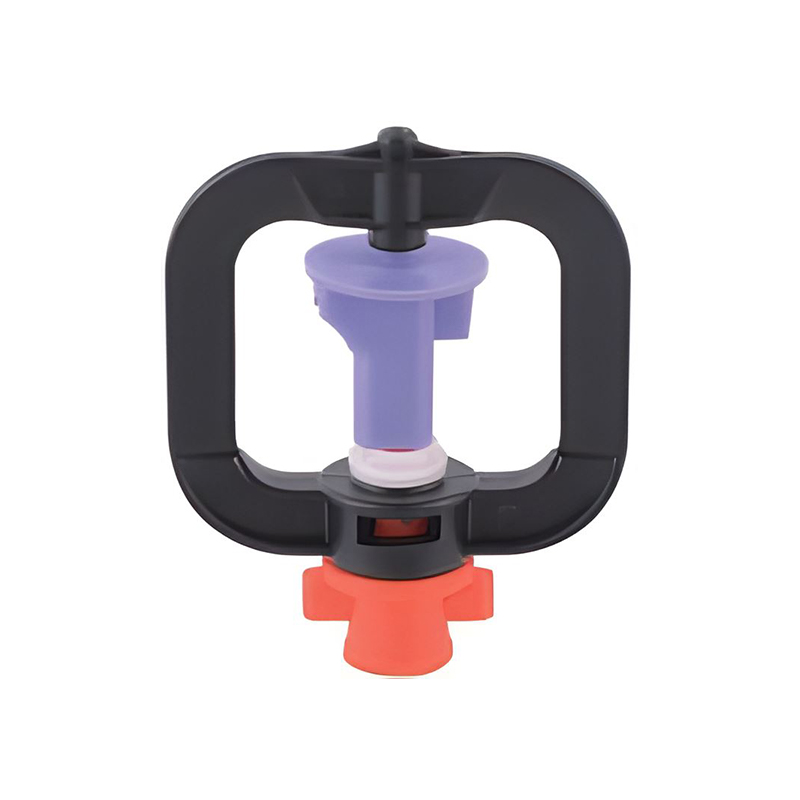
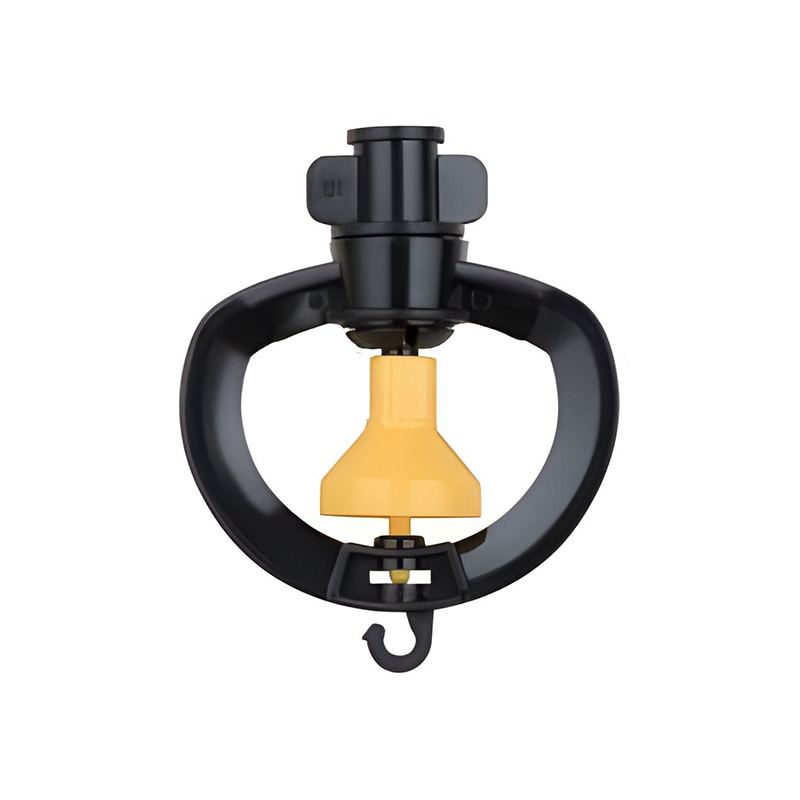
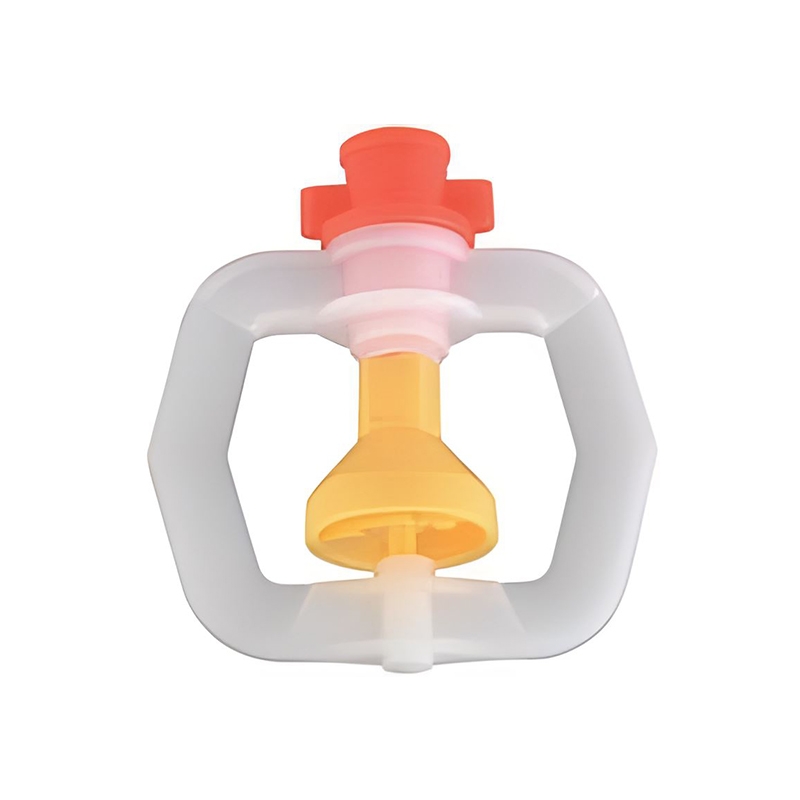
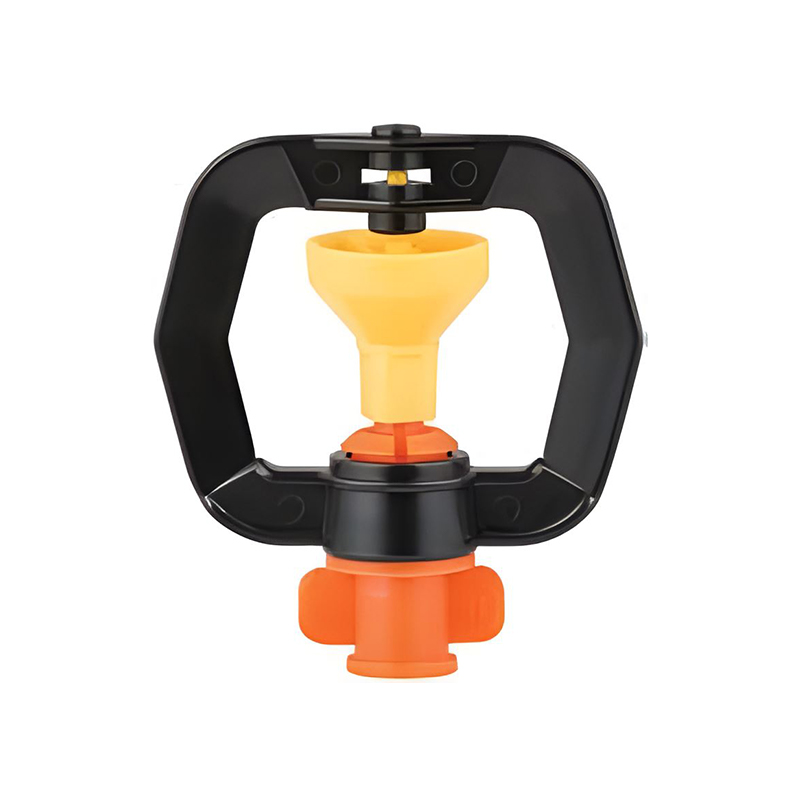
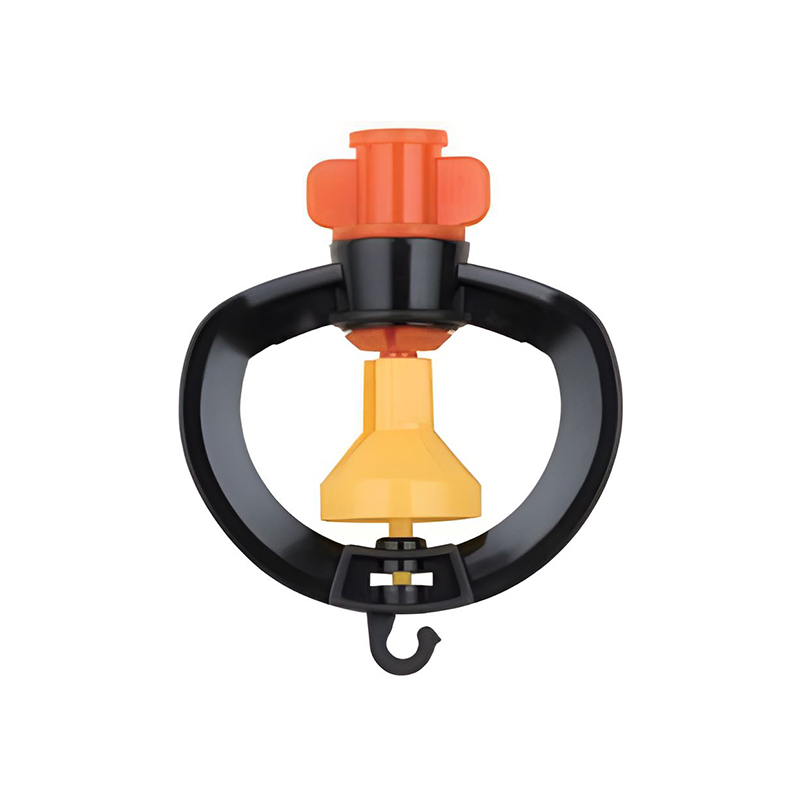
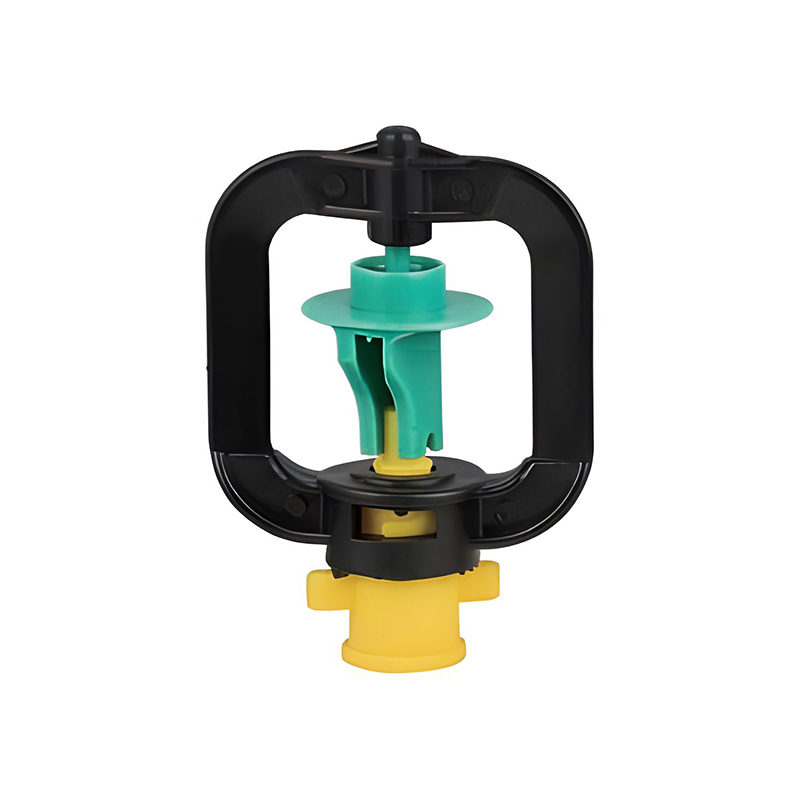
DC-M65
●逆さままたは直立位置で、水と肥料の効率を高めるために温室の灌漑に広く使用されています。
●精密なランナーシステム設計により、優れたスプレー均一性を実現します。
注: 風のない屋外、逆向き、地上から ..8 メートル (地上に取り付けられたノズルの高さは地上 0.4 メートル) でテストされています。
スプレーの均一性を高めるために、水圧は 2bar 以上にすることをお勧めします。
| ノズルの色/直径 |  1.0mm 1.0mm |  1.2mm 1.2mm |  1.4mm 1.4mm |  1.6mm 1.6mm |  2.0mm 2.0mm | ||||||||||
| 水圧(bar) | フォロー(左/横) | 半径(m) | フォロー(左/横) | 半径(m) | フォロー(左/横) | 半径(m) | フォロー(左/横) | 半径(m) | フォロー(左/横) | 半径(m) | |||||
| 1.5 | 36.7 | 反転した 2.0~3.0 | 直立した 2.0~3.0 | 53.6 | 反転した 2.0~3.0 | 直立した 2.0~3.0 | 72.2 | 反転した 2.5-3.5 | 直立した 2.5-3.5 | 96.7 | 反転した 2.5-3.5 | 直立した 2.5-3.5 | 144.2 | 反転した 2.5-3.5 | 直立した 2.5-3.5 |
| 2.0 | 43.9 | 64.6 | 86.1 | 115 | 170.8 | ||||||||||
| 2.5 | 50 | 73.9 | 98.3 | 130.8 | 193.3 | ||||||||||
| 3.0 | 55.6 | 81.7 | 109.7 | 145.8 | 216.7 | ||||||||||
お問い合わせ
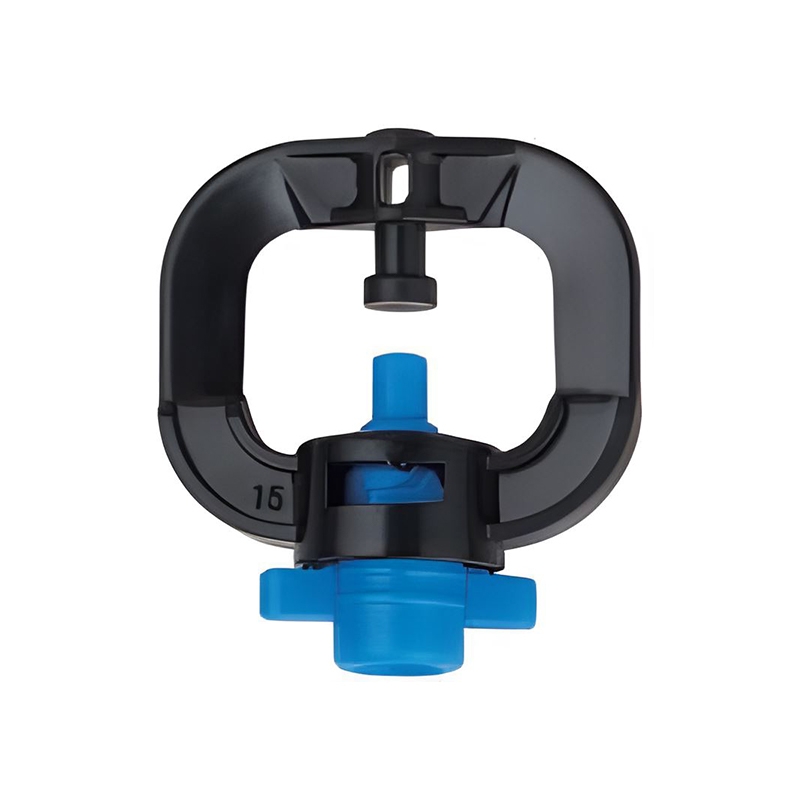
DC-M66
●倒立・正立どちらでも使えます。
●くさび形断面により死角を最小限に抑えることができます。
注: 風のない屋外、逆ポリオン、地上から ..8 メートル (地上に取り付けられたノズルは地上 0.4 メートル) でテストされています。
スプレーの均一性を高めるために、水圧は 2bar 以上にすることをお勧めします。
| ノズルの色/直径 | 1.0mm | 1.2mm | 1.4mm | 1.6mm | 2.0mm | ||||||||||
| 水圧(bar) | フォロー(左/横) | 半径(m) | フォロー(左/横) | 半径(m) | フォロー(左/横) | 半径(m) | フォロー(左/横) | 半径(m) | フォロー(左/横) | 半径(m) | |||||
| 1.5 | 36.7 | 反転した 1.1-1.2 | 直立した 1-1.1 | 53.6 | 反転した 1.1-1.3 | 直立した 1-1.2 | 72.2 | 反転した 1.2-1.3 | 直立した 1.1-1.2 | 96.7 | 反転した 1.2~1.4 | 直立した 1.1-1.3 | 144.2 | 反転した 1.3~1.5 | 直立した 1.2~1.4 |
| 2.0 | 43.9 | 64.6 | 86.1 | 115 | 170.8 | ||||||||||
| 2.5 | 50 | 73.9 | 98.3 | 130.8 | 193.3 | ||||||||||
| 3.0 | 55.6 | 81.7 | 109.7 | 145.8 | 216.7 | ||||||||||
お問い合わせ
DC-M65-2A
使用法:
温室、稲作苗、苗床などに幅広く使用されています。 特徴:
1. フレームと一緒に回転、漏れ防止設計
2. 正確なランナーシステム設計により、優れたスプレー均一性を実現
3. 簡単な取り付け
| 圧力 | 2.0~3.0Bar |
| 半径 | 2.5m |
| フラックス | 100~200L/H |
| ノズルサイズ | 1.6mm、1.8mm、2.0mm |
| コネクタのサイズ | Ø6mm、Ø7.5mm |
お問い合わせ
DC-M65-2B
使用法:
温室、稲作苗、苗床などに幅広く使用されています。 特徴:
1. フレームと一緒に回転、漏れ防止設計
2. 正確なランナー システム設計により、優れたスプレー均一性を実現
3. 簡単な取り付け
| 圧力 | 2.0~3.0Bar |
| 半径 | 3.5m |
| フラックス | 100~200L/H |
| ノズルサイズ | 1.6mm、1.8mm、2.0mm |
| コネクタのサイズ | Ø6mm、Ø7.5mm |
お問い合わせ
DC-M65-2C
使用法:
温室、稲作苗、苗床などに幅広く使用されています。 特徴:
1. フレームと一緒に回転、漏れ防止設計
2. 正確なランナー システム設計により、優れたスプレー均一性を実現
3. 簡単な取り付け
| 圧力 | 2.0~3.0Bar |
| 半径 | 4.5m |
| フラックス | 100~200L/H |
| ノズルサイズ | 1.6mm、1.8mm、2.0mm |
| コネクタのサイズ | Ø6mm、Ø7.5mm |
お問い合わせ
DC-M78A
使用法:
温室、稲作苗、苗床などに幅広く使用されています。 特徴:
1. フレームと一緒に回転、漏れ防止設計
2. 正確なランナー システム設計により、優れたスプレー均一性を実現
3. 簡単な取り付け
| 圧力 | 2.0~3.0Bar |
| 半径 | 3.5~4.5m |
| フラックス | 100~200L/H |
| ノズルサイズ | 2mm、1.8mm、 |
| コネクタのサイズ | Ø6.0mm、Ø7.5mm |
お問い合わせ
DC-M78B
使用法:
温室、稲作苗、苗床などに幅広く使用されています。
特徴:
1. フレームと一緒に回転、漏れ防止設計
2. 正確なランナー システム設計により、優れたスプレー均一性を実現
3. 簡単な取り付け
| 圧力 | 2.0~3.0Bar |
| 半径 | 3.5~4.5m |
| フラックス | 100~200L/H |
| ノズルサイズ | 2mm、1.8mm、 |
| コネクタのサイズ | Ø6.0mm、Ø7.5mm |
お問い合わせ
DC-M78C
使用法:
温室、稲作苗、苗床などに幅広く使用されています。 特徴:
1. フレームと一緒に回転、漏れ防止設計
2. 正確なランナー システム設計により、優れたスプレー均一性を実現
3. 簡単な取り付け
| 圧力 | 2.0~3.0Bar |
| 半径 | 3.5~4.5m |
| フラックス | 100~200L/H |
| ノズルサイズ | 2mm、1.8mm、 |
| コネクタのサイズ | Ø6.0mm、Ø7.5mm |
お問い合わせ
DC-M78D
使用法:
温室、稲作苗、苗床などに幅広く使用されています。 特徴:
1. フレームと一緒に回転、漏れ防止設計
2. 正確なランナーシステム設計により、優れたスプレー均一性を実現
3. 簡単な取り付け
| 圧力 | 2.0~3.0Bar |
| 半径 | 3.5~4.5m |
| フラックス | 100~200L/H |
| ノズルサイズ | 2mm、1.8mm、 |
| コネクタのサイズ | Ø6.0mm、Ø7.5mm |
お問い合わせ
DC-M78E
使用法:
温室、稲作苗、苗床などに幅広く使用されています。 特徴:
1. フレームと一緒に回転、漏れ防止設計
2. 正確なランナー システム設計により、優れたスプレー均一性を実現
3. 簡単な取り付け
| 圧力 | 2.0~3.0Bar |
| 半径 | 3.5~4.5m |
| フラックス | 100~200L/H |
| ノズルサイズ | 2mm、1.8mm、 |
| コネクタのサイズ | Ø6.0mm、Ø7.5mm |
お問い合わせ
DC-M78F
使用法:
温室、稲作苗、苗床などに幅広く使用されています。 特徴:
1. フレームと一緒に回転、漏れ防止設計
2. 正確なランナー システム設計により、優れたスプレー均一性を実現
3. 簡単な取り付け
| 圧力 | 2.0~3.0Bar |
| 半径 | 3.5~4.5m |
| フラックス | 100~200L/H |
| ノズルサイズ | 2mm、1.8mm、 |
| コネクタのサイズ | Ø6.0mm、Ø7.5mm |
お問い合わせ
私たちについて
Ningbo Dewo Irrigation Equipment Co., Ltd.
Ningbo Dewo Irrigation Equipment Co., Ltd. is China 倒立型または直立型マイクロスプレーヤー Manufacturers and 倒立型または直立型マイクロスプレーヤー Factory, in Yuyao City, Ningbo, Zhejiang Province. It is adjacent to the two major ports of Ningbo and Shanghai and has very convenient transportation.
20年の専門的な製造経験を持ち、製品設計、研究開発、生産、販売を統合する正式なメーカーです。さまざまな節水灌漑製品の製造・販売を専門としています。
デウォ灌漑の面積は15,000平方メートルです。顧客の注文の品質と納期を保証するために、射出成形金型の製造、組み立て、テストなどの設備一式を備えています。
ISO9001品質マネジメントシステムを継続的かつ効果的に運用し、顧客のニーズを満たすために必要な条件を提供します。
当社は常に「節水」と「誠実第一、品質第一」を理念として掲げております。私たちは、国内外の各界の友人との誠実な協力、長期的な協力、Win-Winの発展を期待しています。
美徳はどこにでもあり、肥沃な畑は何千マイルも離れています。徳をもとに、力を合わせて豊かな田畑を目指します!
ニュース
-
スプリンクラー システムの設計は実際的な仕事であり、推測ゲームではありません。適切なデザインは以下から始まります 3つの測定 : 利用可能な水圧、流量、お住まいの地域の形状。これらを用意...
READ MORE -
点滴灌漑の方法: 肝心な点 点滴灌漑システムは、実際の根域の周りにレイアウトを計画し、水圧と流量に一致するコンポーネントを選択し、意図的な散水半径を持って各エミッターまたは噴霧器を設置するときに機...
READ MORE -
簡単な答え: 点滴灌漑システムの設置方法 主要な設置方法は、ほとんどの住宅用および商業用点滴システムで同じです。レイアウトを計画し、濾過され圧力調整された水源を接続し、植栽エリアに幹線を通し、各プ...
READ MORE -
ほとんどの点滴灌漑システムは、散水サイクルごとに 1 ~ 4 時間実行する必要があります。 , しかし、正確な時間は固定された数値ではありません。信頼できる方法は、植物が実際に必要とする水の...
READ MORE -
あなたの庭に点滴灌漑システムを設置するのは簡単なプロジェクトです。専門の設置業者や多額の予算は必要ありません。明確な計画、いくつかの標準コンポーネント、および約 1 時間の実地作業により、各植物の根域に直接水...
READ MORE
関連商品
-
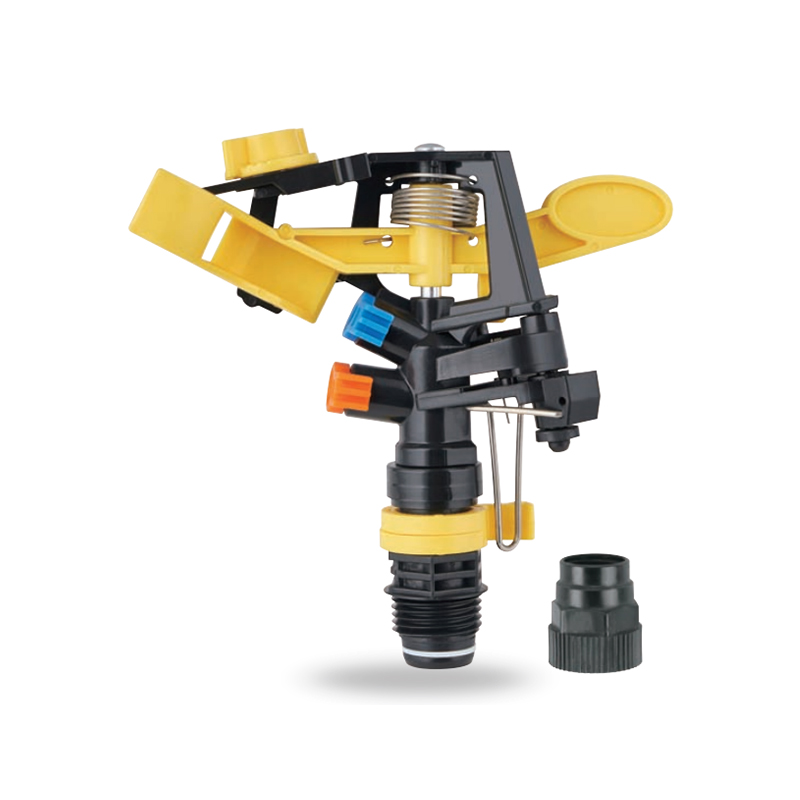
農業灌漑用インパクトスプリンクラーは、広大な農地用に設計された一般的で効率的な農業灌漑ツールです。独自の構造により、水を回転させながら広範囲に均一に散水することができ、作物に効果的に水分を与えることができます。ノズルは水圧によって駆動され、継続的な吹き出し動作を生成するため、水流は強力なスプレーを生成し、さまざまな土壌タイプや地形の農業灌漑のニーズに適しています。 このスプリンクラーヘ...
See Details -
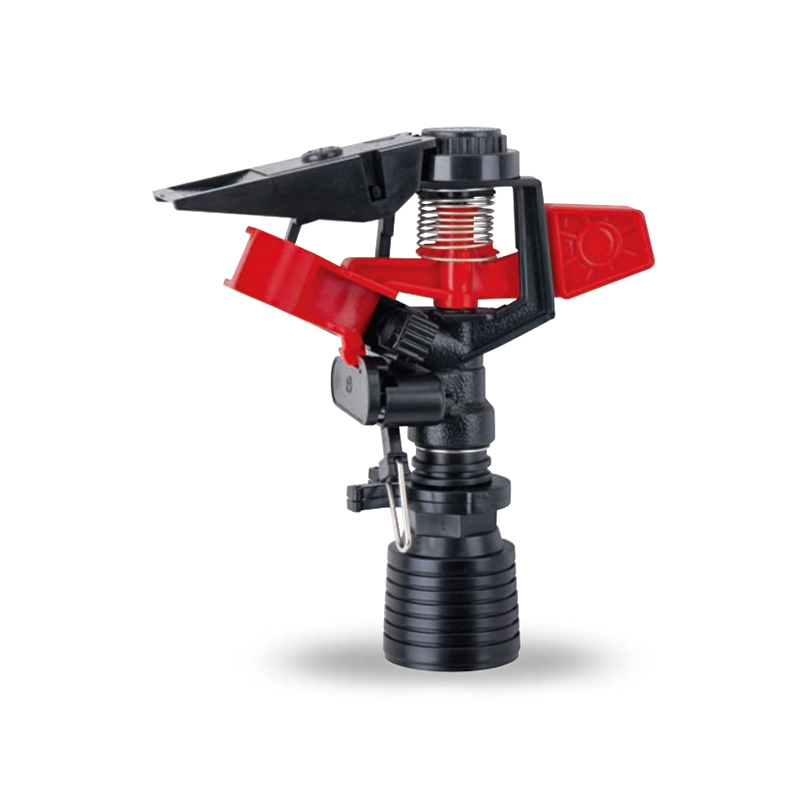
この 360 度調整可能なロッカー アーム ノズル インパクト スプリンクラーは、園芸および農業の幅広いニーズを満たすように設計された灌漑システムの重要な部分です。柔軟な調整機構により、植物の種類や成長段階に応じて水流の方向を簡単に変更できるため、隅々まで均一に水が行き渡り、灌漑効果が大幅に向上します。 スプリンクラー ヘッドの製造に使用されている高品質の素材は耐久性を保証し、あらゆる...
See Details -
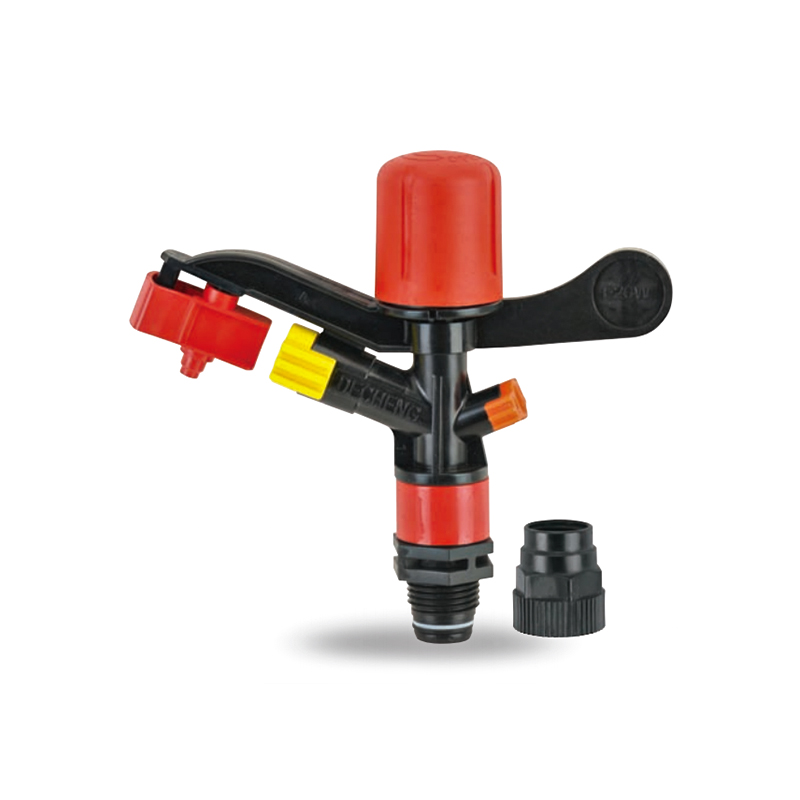
プラスチック製全円インパクトスプリンクラー噴霧器は、均一な水分範囲を提供するように設計された高効率の全円灌漑装置です。このスプリンクラーは軽量のプラスチック素材を使用しているため、設置や移動が簡単で、家庭菜園、芝生、小規模農場に最適です。 360 度回転する機能を備えたこの全円スプリンクラー ヘッドは、隅々までしっかりと潤いを与え、幅広い植物の灌漑ニーズに適応します。耐久性のある設計に...
See Details -
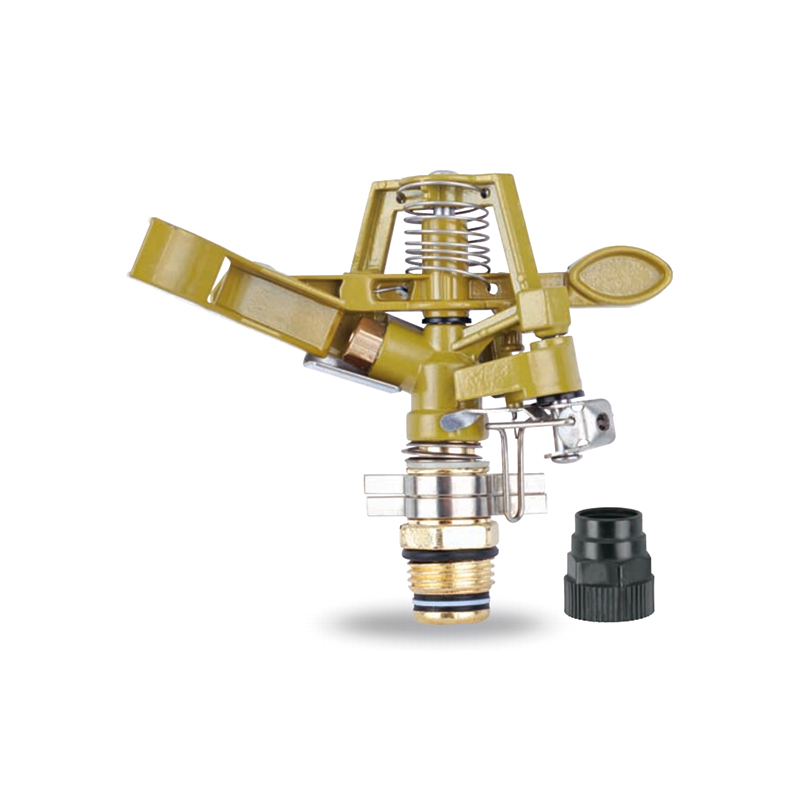
灌漑システム調節可能なヘッド移動式回転式亜鉛スプリンクラーは、柔軟な灌漑ニーズに合わせて設計された効率的な回転式スプリンクラーです。調整可能なヘッドにより、植物のニーズに応じて水流の方向と範囲を簡単に調整でき、隅々まで均一に潤いを与えることができます。耐久性のある亜鉛合金素材により、このスプリンクラー ヘッドはあらゆる気候で安定して動作し、家庭菜園、芝生、小規模農場に適しています。 さ...
See Details -
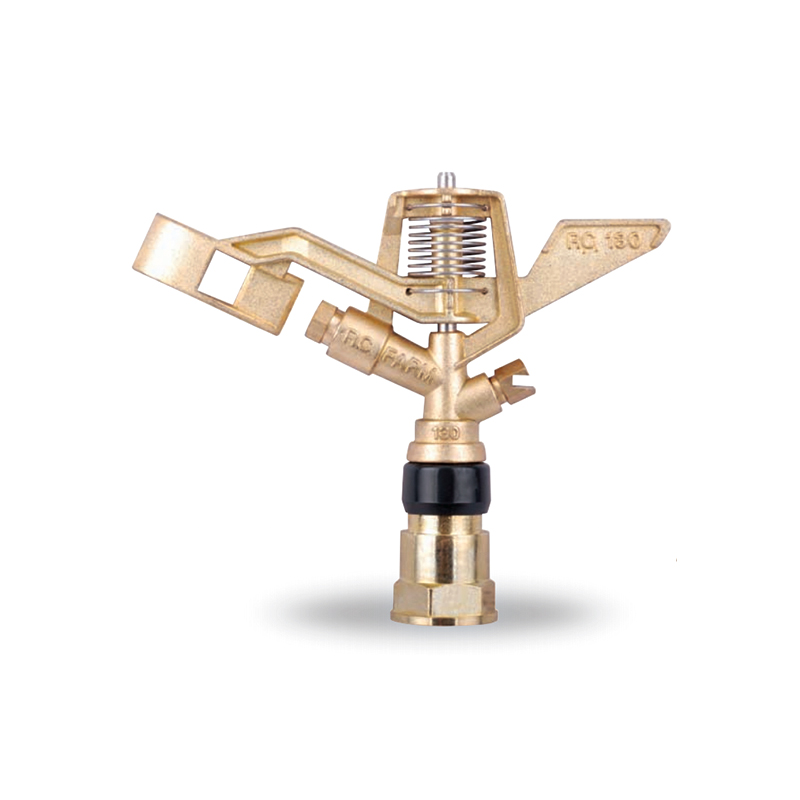
この 3/4 インチ亜鉛合金スイベル アーム灌漑散水システム インパクト スプリンクラーは、優れた耐久性と耐食性により、農業用灌漑システムに最適です。その頑丈な構造は高強度の使用に対応でき、さまざまな複雑な環境で一貫して強力な散布を保証します。 ノズルは機能的かつ見た目にも美しく、使いやすいように設計されており、ユーザーはさまざまな灌漑作業を操作できます。広い畑でも小さな庭でも、作物の...
See Details -
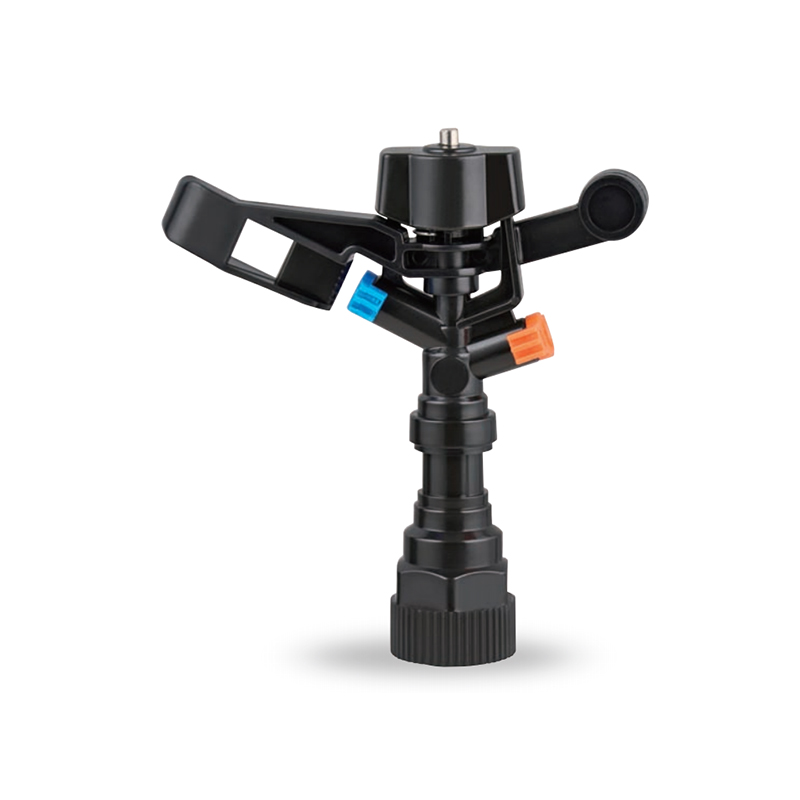
ダブルノズルガーデンファームインパクトフルサークルスプリンクラーは、効率的かつ均一に水を噴霧するようにうまく設計されており、作物の成長の質を高めます。家庭菜園であろうと大規模農場であろうと、このスプリンクラーはさまざまな植物の水の需要を満たし、隅々まで適切な水の供給が確実に受けられるようにします。 このノズルの効率的なパフォーマンスにより、園芸愛好家や農家にとって理想的な選択肢となりま...
See Details
メッセージのフィードバック
倒立型または直立型マイクロスプレーヤー Industry knowledge
What Factors Determine Whether to Choose Inverted Or Upright Type Micro Sprayers?
In modern agricultural and landscape irrigation systems, micro sprayers have emerged as a cornerstone of water-efficient solutions. However, choosing between inverted or upright type micro sprayer configurations remains a critical yet often overlooked decision.
1. Topography and Application Scope
Upright micro sprayers, with their upward-facing nozzles, excel in flat or gently sloped terrains where uniform water distribution is paramount. These systems are ideal for row crops, orchards, and ornamental gardens requiring consistent coverage. Conversely, inverted micro sprayers—designed to hang from overhead structures—minimize clogging risks in dusty or debris-prone environments while delivering targeted water streams. Their downward orientation suits greenhouses, nurseries, and vertical farming setups where precision and contamination control are priorities.
2. Water Conservation and Energy Efficiency
Dewo Irrigation's R&D team emphasizes that inverted models reduce evaporation losses by up to 15% compared to upright variants, particularly in arid climates. However, upright sprayers often operate at lower pressure thresholds (10–20 PSI), reducing pumping costs for large-scale field deployments. Farmers must weigh local water scarcity against energy budgets to align with sustainability goals.
3. Crop-Specific Requirements
Tall crops like maize or sunflowers benefit from upright sprayers’ elevated mist dispersion, while low-growing strawberries or leafy greens thrive under the gentle, direct droplets of inverted systems. Dewo’s customizable nozzles—available in 180° to 360° spray patterns—enable users to fine-tune droplet size and flow rates (10–30 liters/hour) for crop-specific hydration without overspray.
4. Maintenance and Longevity
Inverted installations inherently protect internal components from soil splashback and UV degradation, extending service life in harsh environments. Upright models, however, allow easier visual inspections and quicker debris clearance. Dewo’s anti-clogging polymer filters, tested across 10,000+ hours of operation, ensure reliability in both configurations but demand periodic flushing in high-sediment water sources.
5. Cost-Benefit Analysis
While inverted systems incur 20–30% higher initial costs due to mounting hardware, their durability often offsets long-term replacement expenses. Upright sprayers, with simpler installation and lower unit pricing, appeal to budget-conscious projects. Dewo’s proximity to Ningbo and Shanghai ports further streamlines logistics, enabling competitive bulk pricing for global clients.
Neither design is universally superior.A tea plantation in Zhejiang’s hills may prioritize inverted sprayers to combat erosion, while a Midwest U.S. soybean farm might favor uprights for rapid coverage. To analyze soil porosity, crop root depth, and local climate data to engineer site-specific solutions.
With ISO-certified manufacturing and patented turbulence-chamber technology, Dewo Irrigation has supplied over 500,000 micro sprayers to 30+ countries, proving that informed configuration choices—paired with precision engineering—can elevate water-use efficiency by up to 40%. As drought resilience becomes non-negotiable, selecting the right micro sprayer type transforms from a technical detail into a strategic imperative.


製品とサービス

お問い合わせ
 中国浙江省余姚市立州街瑞豪路518号
 +86-13105554615 / +86-18005843886
 decheng@dcssq.com fredzhu@dcssq.com
 リサ
リサ
 フレッド・ジュー
著作権© Ningbo Dewo Irrigation Equipment Co., Ltd. 全著作権所有. China 倒立型または直立型マイクロスプレーヤー Manufacturers 倒立型または直立型マイクロスプレーヤー Factory
